Attention is a Material Process: On Ways of Noticing, Seeing and Recognition
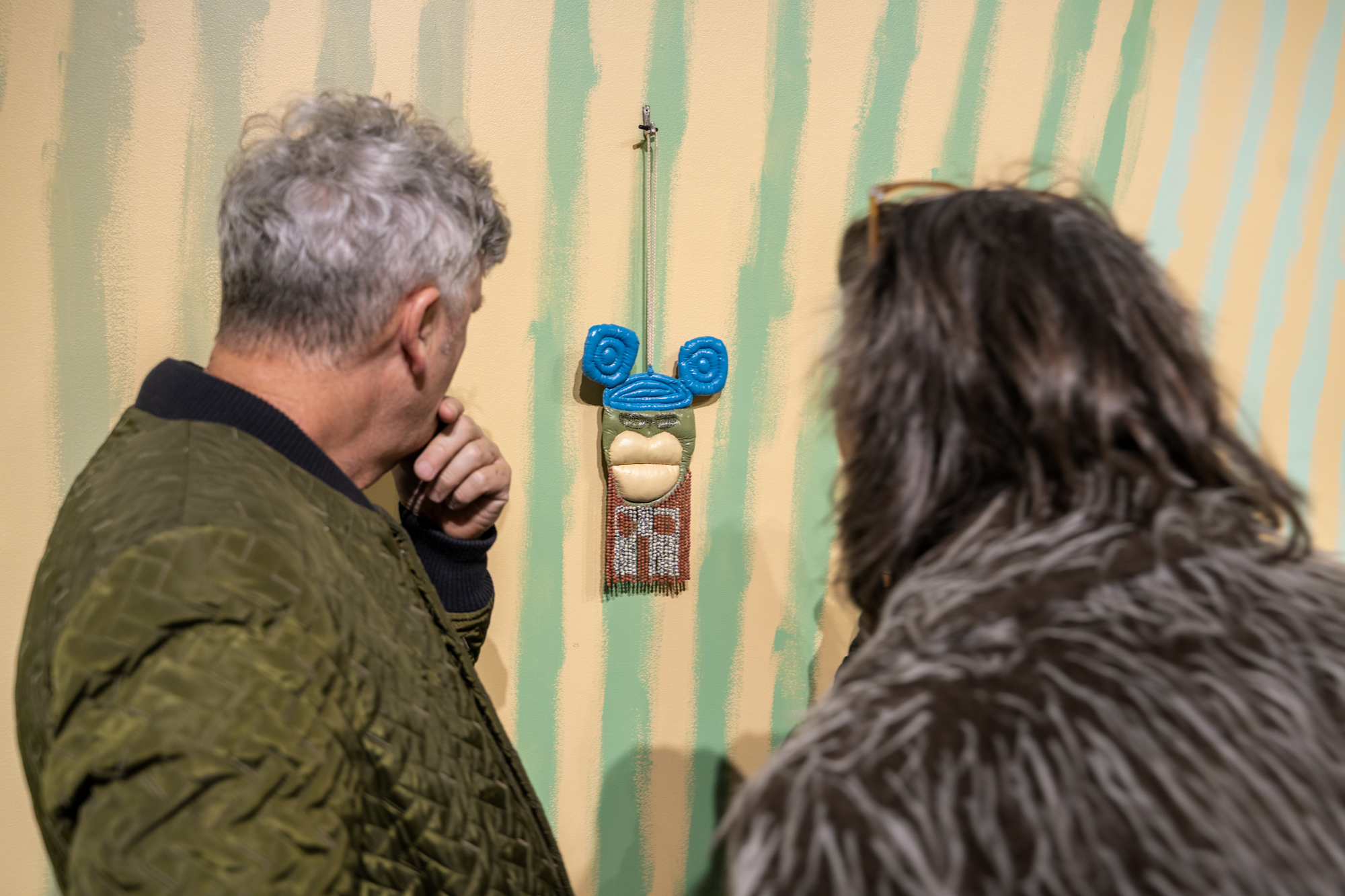
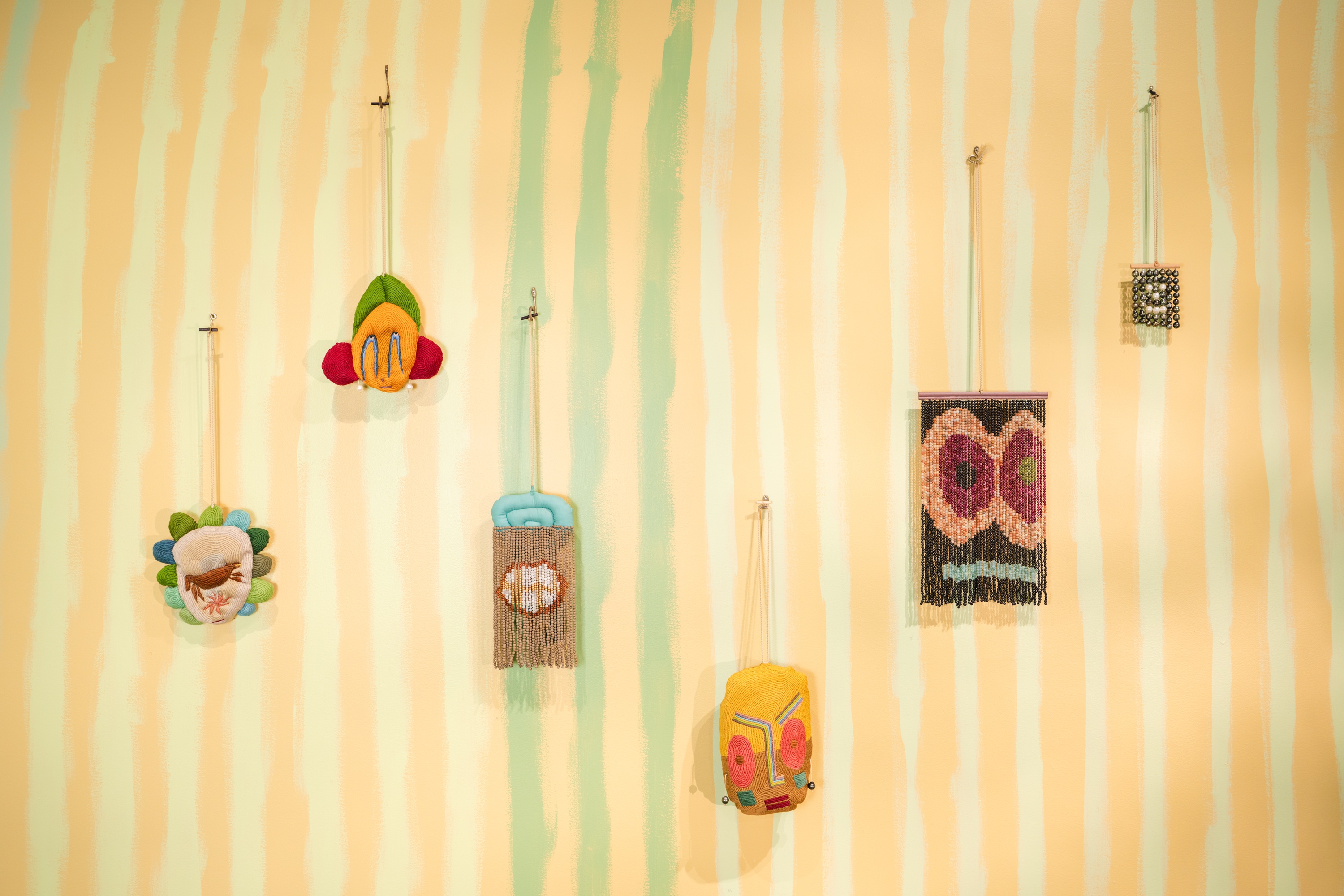
Recently I was reading the newspaper, and the tiniest thing caught my attention. In an article covering the upcoming show, I read about how each head took around six weeks to make. That is a lot of time spent making a head.
Humans are peculiar wee things; we love narrative, story, things that hold up against our incessant need to create meaning. But then, creating both work and meaning is what we do.
Attention, then, is a material process; what we put our attention to shapes the world around us and the things we have noticed begin to bleed into the work we create. Sometimes a specific detail refuses to leave our thoughts. Where many would let these things disappear, artists carry them forward, lingering in a state of potential. We allow details we have noticed to gather associations, connections and possibilities before eventually emerging as form.
Recognition is often the moment meaning begins. But meaning does not sit waiting to be discovered. Instead, it gets continually reconstructed through acts of attention.
As we make, our attention leaves traces. Meaning accumulates through encounter. Time spent making, looking, returning, reconsidering and staying. Every mark, stitch, bead and decision is evidence of an ongoing relationship to the object. Until finally, an object is completed, and so it goes into the world carrying evidence of that relationship. This is why artists can become so attached to strange things, because those things have been lived with.
Something happens in the space between looking and understanding, where familiarity emerges from arrangements that were never intended to represent anything at all. Recognition has never depended entirely on accuracy. We see a face in the texture of the moon despite knowing it is not really there. Much like that phenomenon, somewhere between a face and an object, these works don't quite settle. They begin with something recognisable, the human head, but resist a single fixed reading.
The written word operates in much the same way. Notes scribbled in margins. Lists. Titles. Fragments carried from one notebook to another. Writing becomes a way of holding onto things that might otherwise disappear. Titles have a peculiar ability to change what we think we are looking at. A few words can pull an object into an entirely different set of associations. Something that had seemed resolved becomes strange again. New connections emerge. Others fall away. Yet the context surrounding it shifts.
This persistence interests me. Not the search for meaning itself, but the things that remain long after the moment of recognition has passed. The observations that continue to occupy space in the mind. Attention, once given, is not always easily withdrawn.
This is what I find most compelling about these works. While both highly skilled and carefully resolved, they retain a sense of contingency; each material and each bead was reached for deliberately. The titles suggest people, conversations, observations and passing thoughts that have remained attached to the work throughout its making. Each piece arrives through a series of decisions rather than an absolute fixed plan, worked through as it goes.
They read as heads, but not quite as people, something more deliberately constructed, perhaps in part because they are without a body.
What emerges are not simply representations of heads, but objects that seem inseparable from the conditions of their making. They carry traces of attention, certainly, but also of circumstance. The things noticed, remembered, collected, kept close and returned to. In this sense they become records of a particular period of looking and making; objects shaped by what occupied an artist's attention long enough to remain.
Hayley Walmsley